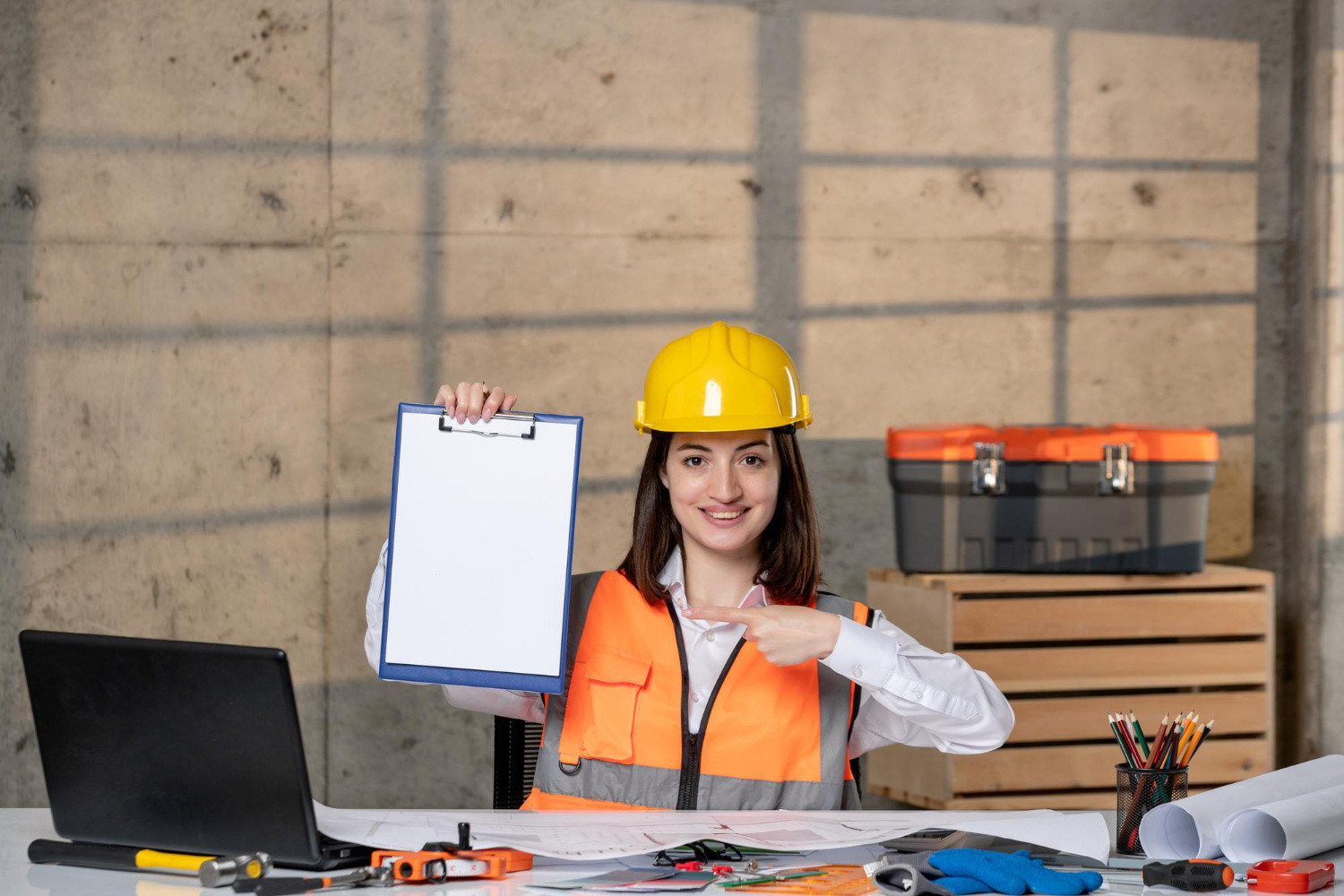
Assessing Safety in the Workplace
Small hazards can lead to big consequences. In busy work environments, slips, trips, and falls remain one of the most common causes of injury, and it often only takes one overlooked detail for someone to get hurt.
Loose materials, wet surfaces, uneven ground, or poor visibility can quickly turn a normal workday into a serious incident..

Understanding the Risk
Slip-related incidents usually occur when surfaces are wet, muddy, or icy.
Trips often happen when tools, cables, or materials are left in walkways.
Falls occur when balance is lost suddenly, often following a slip or trip.
While these risks may seem minor, their impact on workers and productivity can be significant.
Workplace Responsibility
It is the responsibility of organisations to identify slip and trip hazards early and manage them effectively. This involves regular site checks, clear risk controls, and ensuring safety measures remain suitable as conditions change.
Proactive planning and consistent monitoring are key to preventing avoidable injuries.


Managing Slip and Trip Hazards
A structured approach to hazard control helps reduce risks before they lead to incidents:
Remove hazards where possible by designing work areas to avoid sudden level changes
Replace unsafe surfaces with materials that offer better grip
Restrict access to high-risk zones using barriers and visible warning signs
Improve the environment through better lighting, floor treatments, and effective drainage
Use clear procedures such as cleaning schedules, staff training, and active supervision
Provide appropriate PPE, including footwear designed for slippery conditions
Practical Steps That Make a Difference
Preventing slips, trips, and falls starts with everyday actions taken across the site:
Maintain clear walkways by removing waste and storing equipment correctly
Repair uneven surfaces, potholes, or damaged flooring as soon as possible
Clean up spills immediately and monitor wet areas
Improve lighting in stairways, corridors, and access routes
Prepare for weather conditions using mats, grit, or water drainage
Display signage during cleaning or when hazards can’t be removed straight away
Ensure workers wear footwear suitable for the environment
Train teams to recognise hazards, tidy as they work, and report issues quickly
Carry out daily site walks using checklists to ensure nothing is overlooked
Strong housekeeping practices play a major role in workplace safety. Digital tools and checklists can help keep standards consistent and sites well managed.
Take Action Before an Incident Happens
Waiting for a near miss or injury is a risk no workplace should take. Regular reviews, early intervention, and clear communication help prevent slips and trips before they occur.
A safer workplace starts with awareness, and is maintained through action, every day.