Managing Risk Through Smarter Assessments and Site Checks
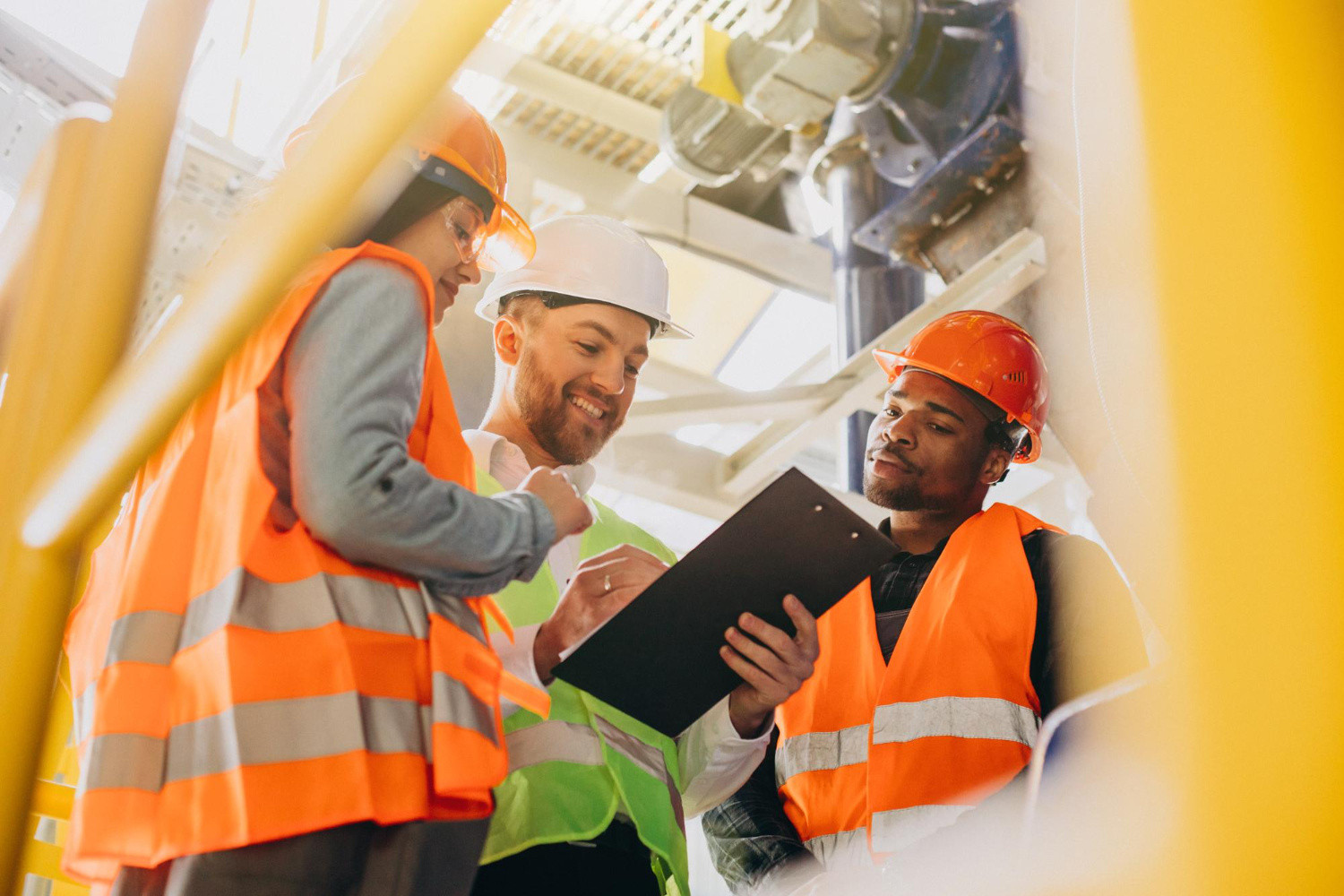
Effective health and safety is not about stopping progress, it’s about creating clarity. When people know what’s expected and how to work safely, jobs move faster, smoother, and with fewer incidents.
Planning work properly and addressing risks early helps create a workplace where safe behaviour becomes automatic, not enforced.
Understanding Risk Assessments
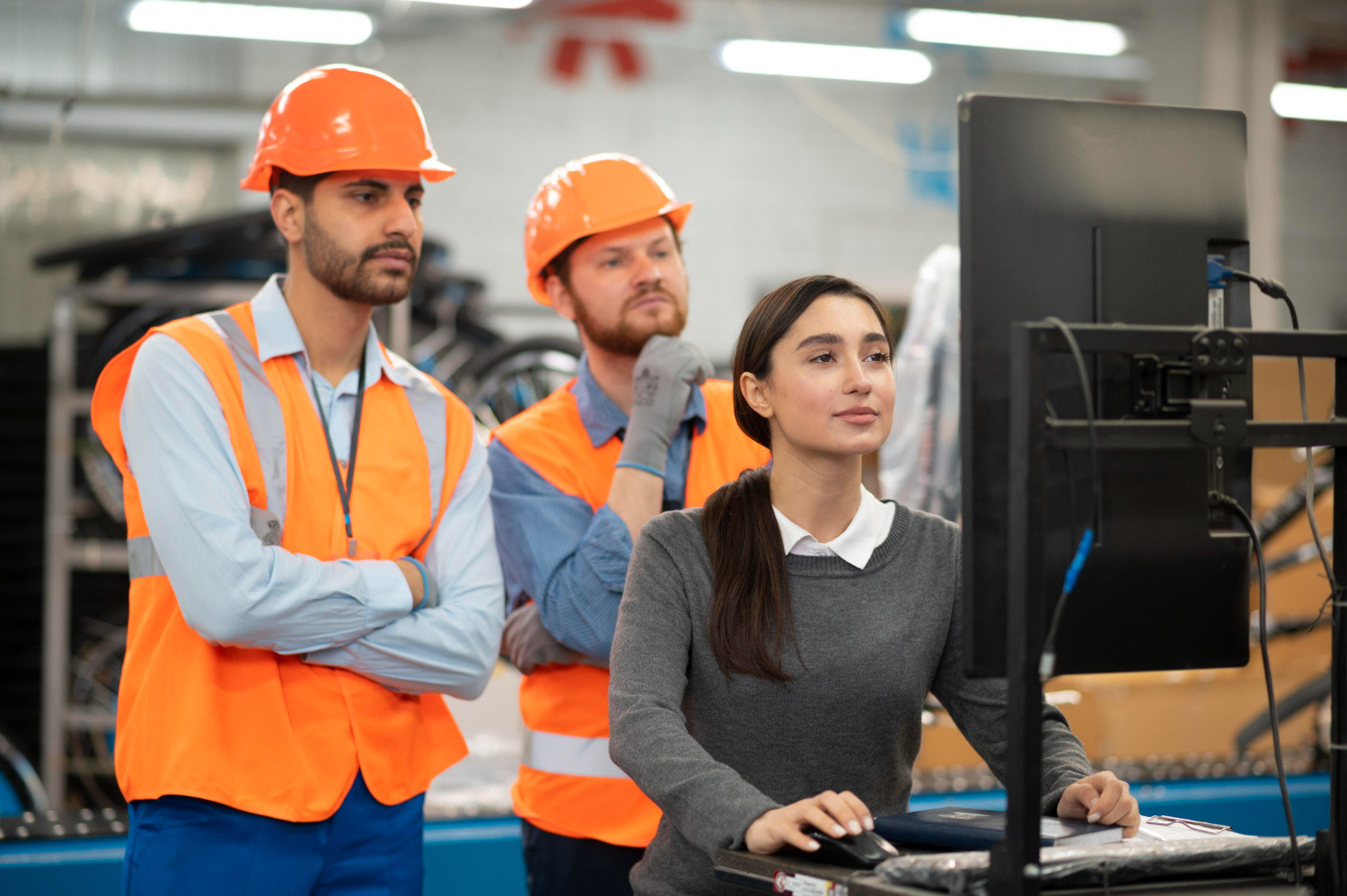
Before any task begins, it’s important to pause and think ahead. Identifying potential hazards early, even briefly ,can significantly reduce the chance of injury, damage, or disruption later in the day.
What an Effective Risk Assessment Involves
Reviewing the work area before starting
Recognising anything that could cause harm, including equipment, materials, people, or surroundings
Involving workers in the discussion, as they often notice practical risks first
Putting safety controls in place ahead of time, such as protective barriers, correct tools, or suitable PPE
Rechecking risks when circumstances change, including weather conditions, staff changes, or new machinery
Practical Tips for Better Results
Record hazards and controls digitally as work progresses
Use photos to support what has been put in place
Keep assessments short, clear, and relevant to the task
Update information during the day, not just once
Unrecorded risks are easily forgotten and difficult to manage
The Importance of Regular Site Checks
Well-maintained sites are safer sites. Regular inspections help identify issues early and keep safety standards consistent across the workplace.
What to Look For During a Site Check
Clear access routes and good housekeeping
Safe scaffolding, excavations, and lifting zones
Trip hazards, loose materials, or missing signage
Workers who are properly inducted, briefed, and wearing appropriate PPE
Emergency equipment and first aid that is clearly accessible
Open conversations with workers about what they are seeing on site
Improving Site Review Practices
Use a digital site review tool to log findings and assign actions
Resolve minor issues immediately where possible
Share outcomes with the team during toolbox talks
Safe workplaces are maintained through daily attention and continuous improvement
Building a Strong Safety Culture
Health and safety is not a checklist, it’s a way of working.
Hazards evolve, so they must be reviewed often
Teams change, so ongoing training and communication matter
Work environments shift, so safety plans should adapt
When everyone feels responsible, confident to speak up, and committed to looking out for each other, safety becomes part of everyday work — not an added responsibility.